Bumper Offer - Urjas oil Just @ Rs. 1
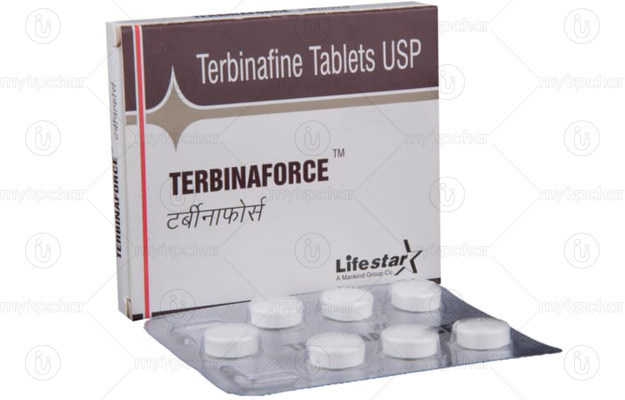
Phyte, a prescription drug, is manufactured in various forms such as Cream, Tablet. It is typically used for the treatment of Fungal Infections, Nail Fungus. Other than this, Phyte has some other therapeutic uses, which have been discussed ahead.
The optimal dosage of Phyte is largely dependent on the individual's body weight, medical history, gender and age. Besides the medical condition it is advised for, the route of administration also plays an important role in determining the correct drug dosage. For detailed information on this, read through the dosage section.
The most common side effects of Phyte are Abdominal Pain, Headache, Flatulence. While these are the most often observed Phyte side effects, there are can be others also. These have been listed below. These side effects of Phyte are usually temporary and subside with the completion of treatment. Please speak with your doctor if these side effects worsen or persist for a longer duration.
Phyte's effect during pregnancy is Safe and Severe while nursing. In addition, Phyte's effects on the liver, heart and kidney are discussed below in the Phyte related warnings section.
Some other conditions that can be affected by Phyte are listed in the contraindications section below.
Drug interactions for Phyte have been reported in the medical literature. A complete list of these interactions is given below.
In addition to these precautions, you may also note that Phyte is not safe while driving, and is is not addictive in nature.
Phyte is used to treat the following -
Main Benefits
Other Benefits
This is the usual dosage recommended in most common treatment cases. Please remember that every patient and their case is different, so the dosage can be different based on the disease, route of administration, patient's age and medical history.
Find the right dosage based on disease and age
| Age Group | Dosage |
| Adult |
|
| Geriatric |
|
| 13 - 18 years (Adolescent) |
|
| 2 - 12 years (Child) |
|
Based on research, the following side effects have been observed when Phyte is used -
Severe
Moderate
Mild
Common
Is the use of Phyte safe for pregnant women?
There are no side effects of Phyte in pregnant women.
Is the use of Phyte safe during breastfeeding?
Women who are breastfeeding, may experience serious side effects after taking Phyte. So it is adviced to consult the doctor before using it.
What is the effect of Phyte on the Kidneys?
Phyte may cause harmful effects on kidney. if you feel its having any such effect, then stop taking this drug, and restart only on your doctor's advice.
What is the effect of Phyte on the Liver?
Phyte may cause harmful effects on liver. if you feel it's having any such effect, then stop taking this drug, and restart only on your doctor's advice.
What is the effect of Phyte on the Heart?
You can take Phyte without any fear of damage to the heart.
Phyte should not be taken with following medicines due to severe side effects it may cause to patients -
Moderate
Mild
If you are suffering from any of the following diseases, you should not take Phyte unless your doctor advises you to do so -
Is this Phyte habit forming or addictive?
Phyte is not addictive in nature.
Is it safe to drive or operate heavy machinery when consuming?
No, you should not drive or operate heavy machinery after taking Phyte as you may feel sleepy.
Is it safe?
Phyte is safe but it is important to consult a doctor before taking it.
Is it able to treat mental disorders?
Phyte is unable to treat or cure mental disorders.
Interaction between Food and Phyte
You can take Phyte with food.
Interaction between Alcohol and Phyte
No research has been done on this till date. Therefore, it is not known what the effect of taking Phyte with alcohol will be.
Phyte is a brand name of terbinafine. It is a prescription drug that belongs to the class of medication called antifungal. It is available in a different dosage form such as a tablet, cream, and powder. It is used in the treatment of antifungal infections such as tinea corporis (fungal infection of the skin or scalp known as ringworm), tinea cruris (fungal infection in the skin of the genitals known as Jock itch), tinea pedis (fungal infection between the toes also known as athlete's foot), cutaneous candidiasis (skin and nail fungal infection), tinea versicolor (discolored patches of skin), and vaginal candidiasis (a yeast infection of the vagina).
Yes, Phyte can cause hair loss if taken for a long time. However, if you're experiencing hair loss after taking this drug for a short duration then inform your doctor without any further delay.
Yes, Phyte can cause high blood pressure. As per research, patients suffering from diabetes and hypertension are more vulnerable to the congestive heart failure. You are advised to keep a check on blood pressure and regularly monitor it to avoid hypertension related problems. Also, moderation in salt consumption is highly recommended.
Phyte and amoxicillin can be taken together, as there are no reported harmful interactions between them. However, it doesn't mean that no interaction could exist. Please take if prescribed by a doctor only do not self-medicate.
No, Phyte is not a steroid. It is an antifungal medicine which belongs to the class of drug known as triazoles.
This medicine data has been created by -
References
US Food and Drug Administration (FDA) [Internet]. Maryland. USA; Package leaflet information for the user; Lamisil (terbinafine hydrochloride)
KD Tripathi. [link]. Seventh Edition. New Delhi, India: Jaypee Brothers Medical Publishers; 2013: Page No 795-796
April Hazard Vallerand, Cynthia A. Sanoski. [link]. Sixteenth Edition. Philadelphia, China: F. A. Davis Company; 2019: Page No 174-177
US Food and Drug Administration (FDA) [Internet]. Maryland. USA; Package leaflet information for the user; Lamisil (terbinafine hydrochloride)
KD Tripathi. [link]. Seventh Edition. New Delhi, India: Jaypee Brothers Medical Publishers; 2013: Page No 795-796
April Hazard Vallerand, Cynthia A. Sanoski. [link]. Sixteenth Edition. Philadelphia, China: F. A. Davis Company; 2019: Page No 174-177